Skip to Content Skip to Footer
Oklahoma WIC logo
Home
The Live Well logo features a modern design promoting a healthy, balanced lifestyle
Search
  • Español
  • Ellyn Satter
    • Ellyn Satter
      Prenatal / Postpartum
    • Ellyn Satter
      Newborn / Infant
    • Ellyn Satter
      Older Baby / Almost Toddler
    • Ellyn Satter
      Toddler / Preschooler
  • Breastfeeding
  • Eat·Grow·Live Healthy
    • Eat·Grow·Live Healthy
      Women
    • Eat·Grow·Live Healthy
      Infants
    • Eat·Grow·Live Healthy
      Children
    • Eat·Grow·Live Healthy
      Fathers
  • Live Well Blog
  • Videos
  • Approved Food List
    • Approved Food List
      Chickasaw Nation
    • Approved Food List
      Choctaw Nation
    • Approved Food List
      ITCO
    • Approved Food List
      Osage Nation
    • Approved Food List
      WCD
    • Approved Food List
      Approved Food List Oklahoma

Baby-Led Feeding

  • Home
  • Eat·Grow·Live Healthy
  • Infants
  • Baby-Led Feeding
Tall gavel strikes sounding block, symbolizing justice served.

What Is Baby-Led Feeding?

Baby-led feeding is when you give your baby the opportunity to feed themselves soft, safe foods instead of spoon-feeding them purees. It helps your baby explore food with their hands, eyes, mouth, and nose. This feeding method helps create more adventurous eaters from an early age.

Let your baby explore food and learn to feed themselves!

Why Try Baby-Led Feeding?

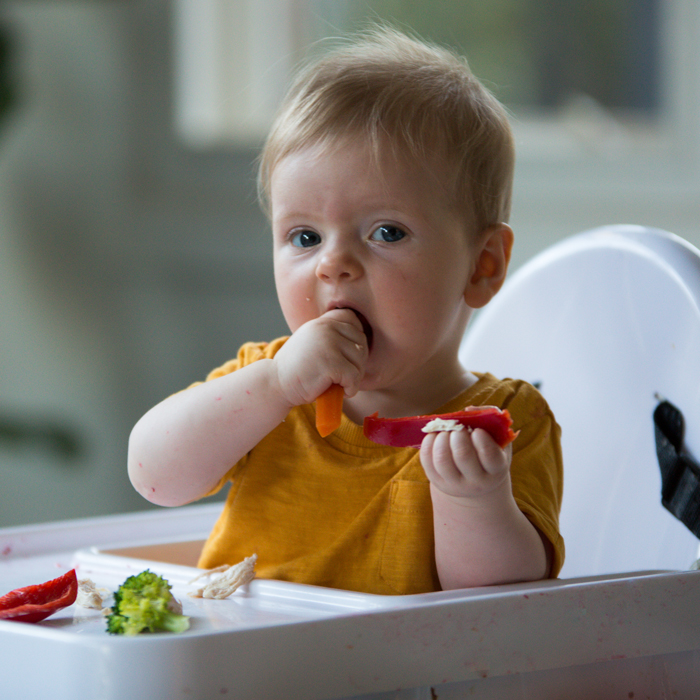
Baby eating colorful vegetables at high chair.
  • Helps your baby learn when they’re hungry or full.​
  • Builds confidence and independence.
  • Encourages healthy eating habits.
  • Promotes chewing, hand-eye coordination, and motor skills.
  • Baby eats with the family – no separate meals!

Is My Baby Ready?

Most babies are ready to start solids when they are
around 6 months old and:

  • Can sit up with little or no help.
  • Have good head control.
  • Show interest in food.
  • No longer push food out with tongue.
  • Reach for toys or food.

Babies born early may need extra time. Talk to your doctor.

If your baby is sick, teething, or upset, wait before starting solids.

Baby reaching for a cracker with a smile.

Introducing solid foods to your baby does not mean you need to stop breastfeeding or bottle feeding. Your baby will not be taking in large amounts of food. Breastmilk and/or formula remain the main source of nutrition for the first year of life.

How To Get Started

Baby in high chair being fed by parent.

Create a safe mealtime:

  • Wash your and your baby’s hands before eating.
  • Have your baby sit upright in a highchair with their feet flat and knees bent.
  • Stay with your baby during meals.
  • Let your baby eat with you — they learn by watching!
  • No bouncers, car seats, or strollers for feeding.
  • No toys, screens, or other distractions.

What Foods Should I Offer First?

  • Start with soft foods you can mash between your fingers.
  • Offer foods as strips or wedges your baby can hold and gnaw, about the size of two adult fingers.
Child in highchair with divided food plate.

Start with just 1 new food at a time to watch for allergies.

Offer 3–4 foods per meal, but only 1 piece of each food at a time to avoid overwhelming your baby.

Blue heart shape with smaller heart inside.

Good First Foods:

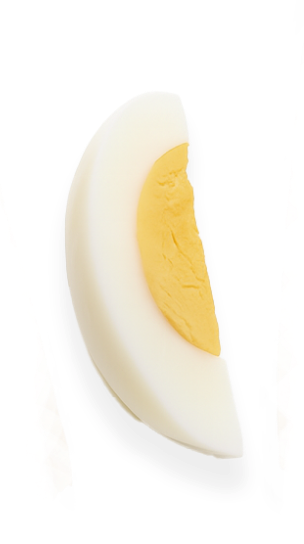
PROTEIN Cooked Chicken Cooked Chicken Hard-Boiled Egg
Hard-Boiled Egg
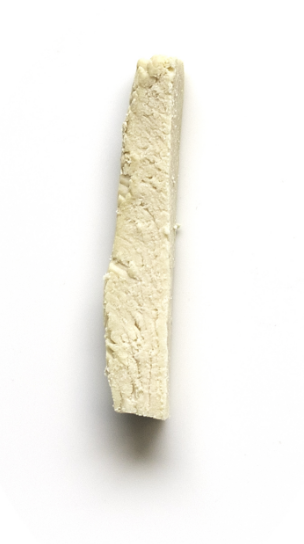
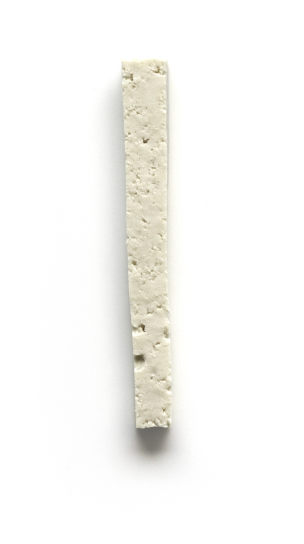
Tofu
Tofu
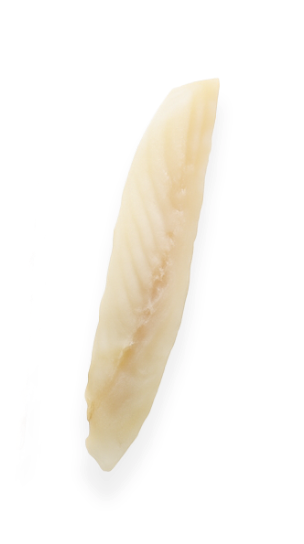
Cooked Fish
Cooked Fish
WHOLE
GRAINS
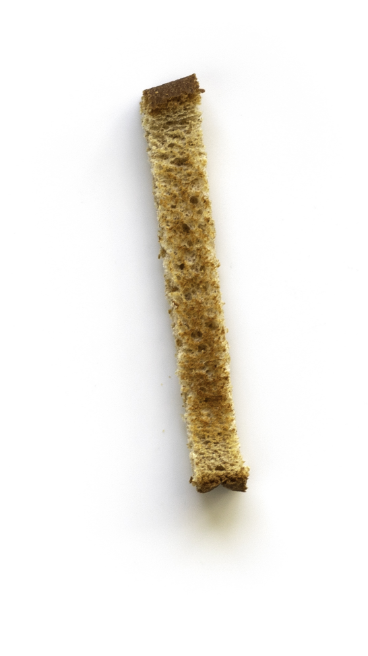
Toast Strips
Toast Strips
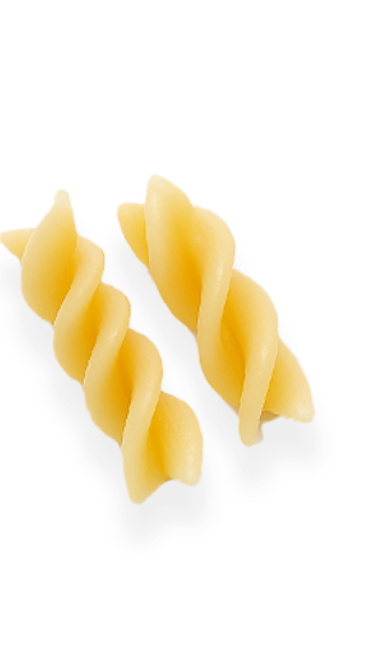
Cooked Pasta
Cooked Pasta
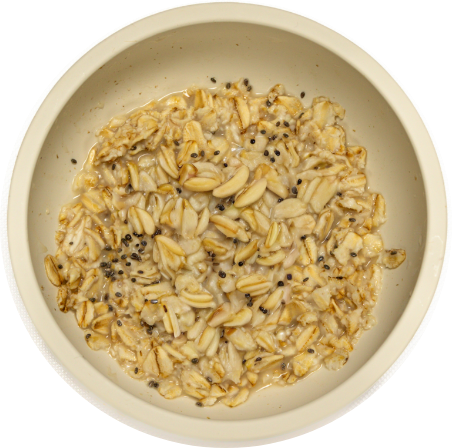
Baby Oatmeal
Baby Oatmeal
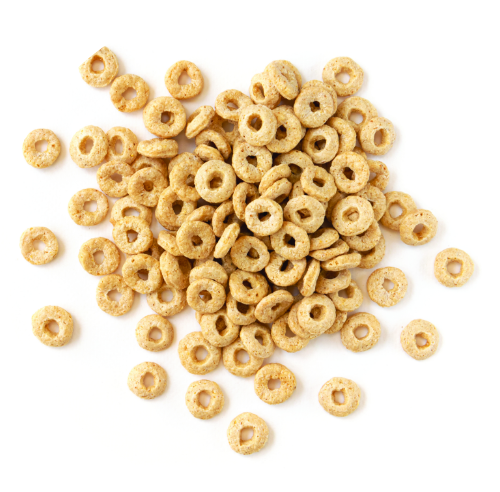
Cereal
Cereal
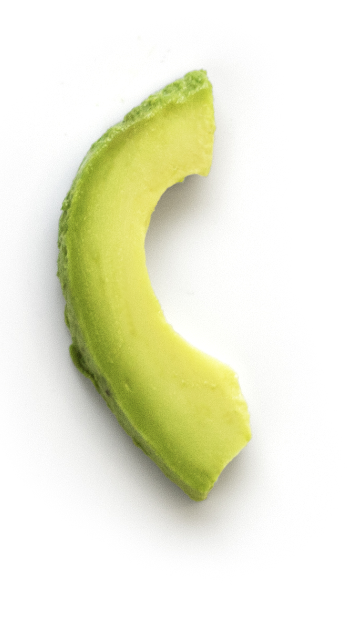
FRUITS Avocado Slices
Avocado Slices
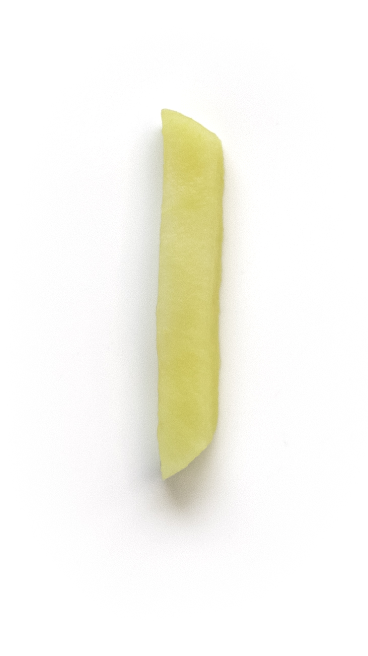
Cooked Apple Slices
Cooked Apple Slices
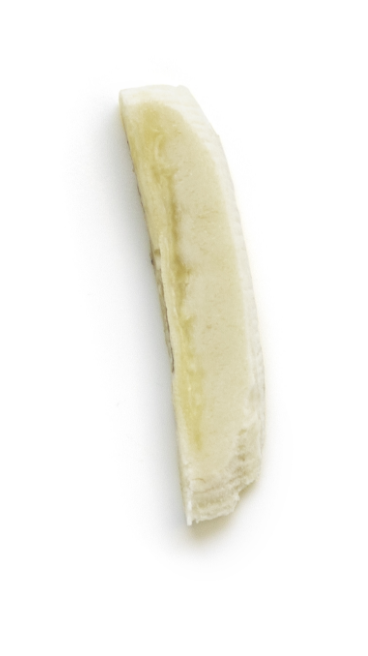
Banana Slice
Banana Slice
Melon Slices
Melon Slices
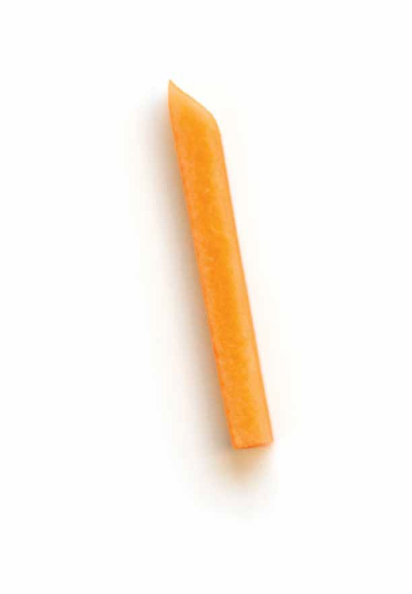
VEGETABLES Cooked Carrot Slices
Cooked Carrot Slices
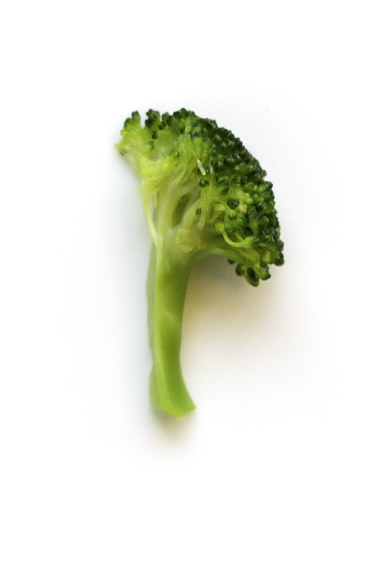
Cooked Broccoli Stem
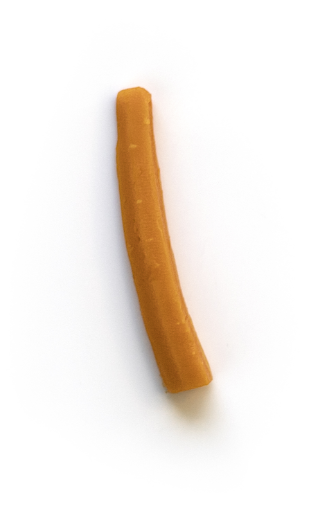
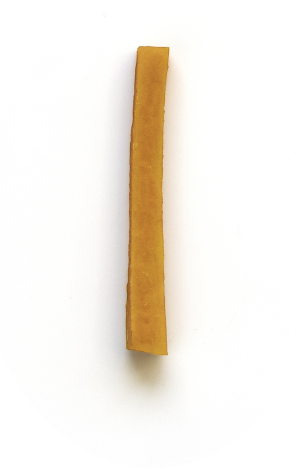
Cooked Sweet Potato Stick
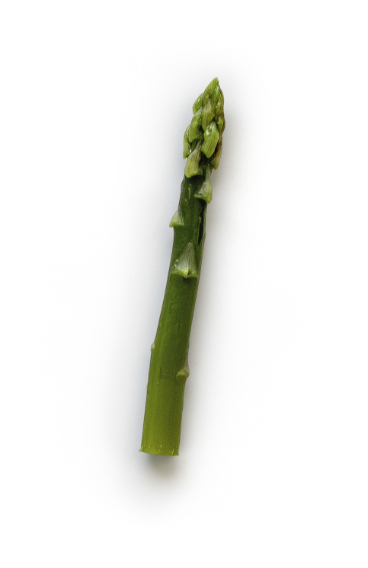
Cooked Asparagus
Cooked Asparagus
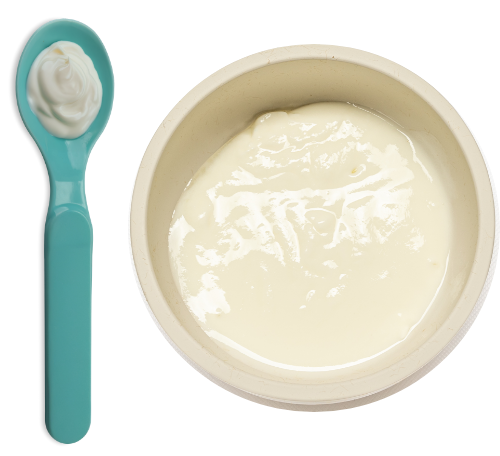
DAIRY Yogurt
Yogurt
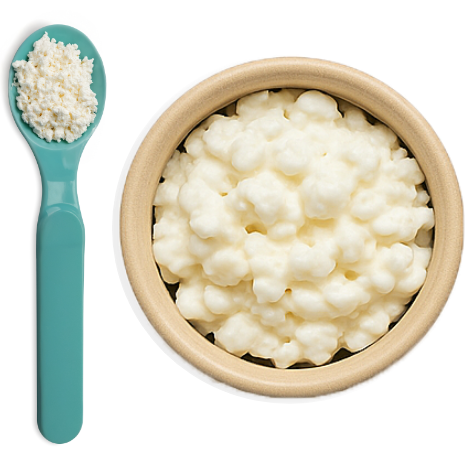
Cottage Cheese
Cottage Cheese
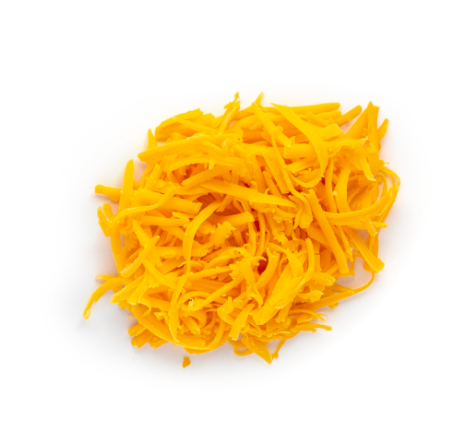
Shredded Cheese
Shredded Cheese
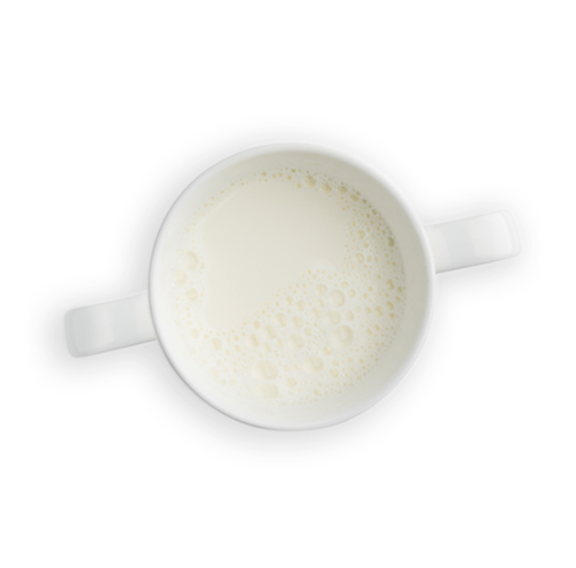
Breastmilk
Breastmilk

Avoid These Foods:

  • Choking hazards: raw carrots, apples, whole nuts, whole grapes
  • Honey (can cause botulism in babies under 1 year)
  • Crispy, crunchy, or sticky foods (like raw carrots, chips, candy, or nuts)
  • Foods high in salt or sugar (use herbs instead!)

Watch for Gagging vs. Choking

Baby eating with spoon, food on face and tray.

Gagging:

  • Normal part of learning.
  • Baby can make sounds, face may turn red.
  • Let your baby work it out. Don’t jump in unless needed.
Child crying at table, holding mouth, near food.

Choking:

  • Baby can’t make sound or breathe.
  • Face turns blue.
  • Call 911. Learn baby CPR to be prepared.
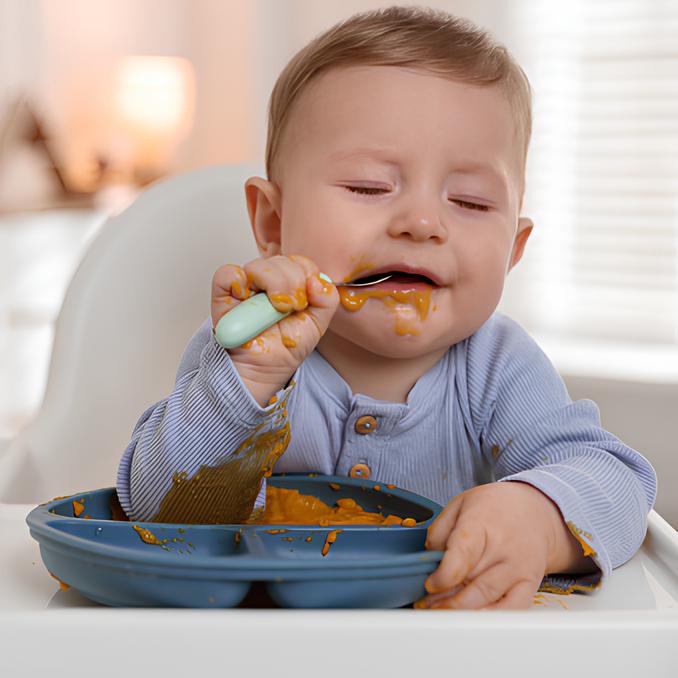
Smiling toddler eating with an orange spoon.

What About Purees or Spoon-Fed Foods?

These are okay too!

Preload a spoon and hand it to your baby.

Use thick purees that cling to the spoon such as yogurt, oatmeal, and applesauce.

Your baby will learn to use a spoon with time (usually around 9–18 months).

Heart shape embraces Oklahoma WIC text, conveying support.

Tips for Success

Stylized heart shape with swirling decorative lines.
Baby eating vegetables in a high chair.
  • 1Offer solids when your baby is happy—not too tired or hungry.
  • 2Don’t rush or “help” your baby eat.
  • 3Offer 3–4 foods per meal, including 1 iron-rich food (like red meat, chicken, fish, beans, or iron-fortified cereal).
  • 4Expect messes—use a mat under the highchair.
  • 5Keep trying the same foods even if your baby doesn’t eat them right away!

Allergenic Foods

Introduce these common allergens early
(one at a time):

Abstract shape with flowing, curved lines and pastel colors.

Peanuts

Mix smooth peanut butter into oatmeal or yogurt

Stylized rolling hills under a cloudy sky illustration.

Eggs

Scrambled or cooked into strips

Stylized purse with decorative stitching details.

Milk

Yogurt, cheese, or cottage cheese

Abstract swirling shape with soft pink and blue tones.

Wheat

Toast strips or mini pancakes

Abstract shapes forming a multi-layered geometric design.

Shellfish

Finely chopped into patties or mixed into soft foods like eggs or mashed potatoes

Three overlapping rectangles with rounded corners.

Soy

Tofu strips

Abstract, swirling line art with intersecting cross marks.

Fish

Soft, flaky pieces

Baby eating scrambled eggs in a high chair.
  • Wait 3–5 days before offering a new allergenic food.
  • Keep offering known-safe foods during that time.
  • Repeat allergen exposures often to build tolerance.

You May Also Like...

Tips for a healthy pregnancy

Tips For a Healthy Pregnancy Dear Mom Get Prenatal Care Choose Healthy Foods Sample Menu Snacks: Tasty, Healthy and Easy Fast Food Restaurant Tips Food Safety Tips Take Prenatal Vitamins…

Read More

Infant Feeding Guide

Read More

Birth to 6 Months

Caring for your babyBirth to 6 Months Hello World You Have What I Need To Grow Paced Bottle Feeding I Need Your Touch I Need to Eat Often Look for…

Read More
Oklahoma Wic Logo
  • Contact Us

USDA is an equal opportunity provider, employer, and lender.

Cookie PolicyPrivacy Policy

© Brush Art Corporation

  • Email
  • SMS
If you are using multiple emails, separate them with commas.

    Share

    Share this link via:

    Two abstract figures with interlocking hands and circles.

    HAND EXPRESSION

    How it works

    Use your hand to gently massage and compress your breast to remove milk.

    What’s Involved

    • Requires practice, skill, and coordination.
    • Gets easier with practice and can be as fast as pumping.
    • Good if you are not often away from your baby or you need an option that is always with you. All moms should know how to hand express, in case they need to do it unexpectedly.

    Average Cost

    Free

    Illustration of diverse fruits and vegetables forming colorful patterns.

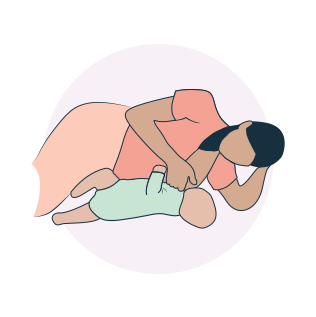
    Side-Lying Hold

    1. For the right breast, lie on your right side with your baby facing you.
    2. Pull your baby close. Your baby’s mouth should be level with your nipple.
    3. In this position, you can cradle your baby’s back with your left arm and support yourself with your right arm and/or pillows.
    4. Keep loose clothing and bedding away from your baby.
    5. Reverse for the left breast.

    This hold is useful when:

    • You had a C-section
    • You want to rest while baby feeds
    • You are breastfeeding in the middle of the night
    • You and your baby are comfortable in this position
    Owl with outstretched wings soaring gracefully in flight.

    Cross-Cradle Hold

    1. For the right breast, use your left arm to hold your baby’s head at your right breast and baby’s body toward your left side. A pillow across your lap can help support your left arm.
    2. Gently place your left hand behind your baby’s ears and neck, with your thumb and index finger behind each ear and your palm between baby’s shoulder blades. Turn your baby’s body toward yours so your tummies are touching.
    3. Hold your breast as if you are squeezing a sandwich. To protect your back, avoid leaning down to your baby. Instead, bring your baby to you.
    4. As your baby’s mouth opens, push gently with your left palm on baby’s head to help them latch on. Make sure you keep your fingers out of the way.
    5. Reverse for the left breast.

    This hold is useful when:

    • Your baby is premature
    • Your baby has a weak suck
    • Your baby needs help to stay latched
    • Your baby needs extra head support
    • You and your baby are comfortable in this position
    "Happy cartoon family holding hands, smiling together."

    Clutch or “Football” Hold

    1. For the right breast, hold your baby level, facing up, at your right side.
    2. Put your baby’s head near your right nipple and support their back and legs under your right arm.
    3. Hold the base of your baby’s head with your right palm. A pillow underneath your right arm can help support your baby’s weight.
    4. To protect your back, avoid leaning down to your baby. Bring baby to you instead.
    5. Reverse for the left breast.

    This hold is useful when:

    • You had a C-section
    • You have large breasts
    • You have flat or inverted nipples
    • You have a strong milk let-down
    • You are breastfeeding twins
    • Your baby likes to feed in an upright position
    • Your baby has reflux
    • You and your baby are comfortable in this position
    Stylized abstract shapes forming an intricate pattern.

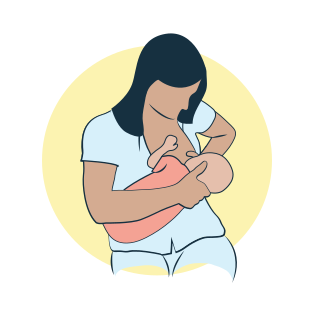
    Cradle Hold

    1. For the right breast, cradle your baby with your right arm. Your baby will be on their left side across your lap, facing you at nipple level.
    2. Your baby’s head will rest on your right forearm with your baby’s back along your inner arm and palm.
    3. Turn your baby’s tummy toward your tummy. Your left hand is free to support your breast, if needed. Pillows can help support your arm and elbow.
    4. To protect your back, avoid leaning down to your baby. Instead, bring your baby to you.
    5. Reverse for the left breast.

    This hold is useful when:

    • Your baby needs help latching on
    • You and your baby are comfortable in this position
    "Abstract pattern of colorful overlapping shapes and circles."

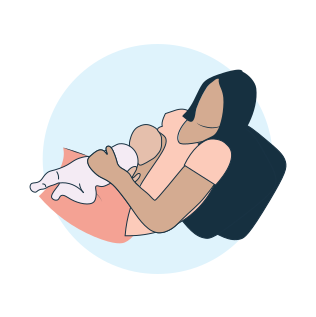
    Laid-Back Hold

    1. Lean back on a pillow with your baby’s tummy touching yours and their head at breast level. Some moms find that sitting up nearly straight works well. Others prefer to lean back and lie almost flat.
    2. You can place your baby’s cheek near your breast, or you may want to use one hand to hold your breast near your baby. It’s up to you and what you think feels best.
    3. Your baby will naturally find your nipple, latch, and begin to suckle.

    This hold is useful when:

    • Your baby is placed on your chest right after birth
    • You have a strong milk let-down
    • You have large breasts
    • You and your baby are comfortable in this position