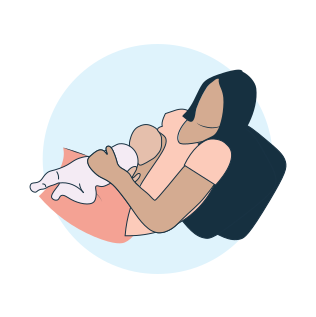
What Is Baby-Led Feeding?
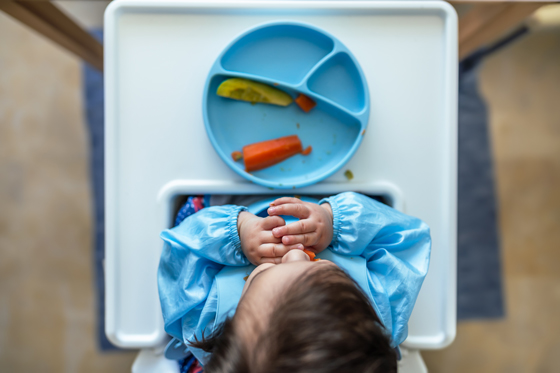
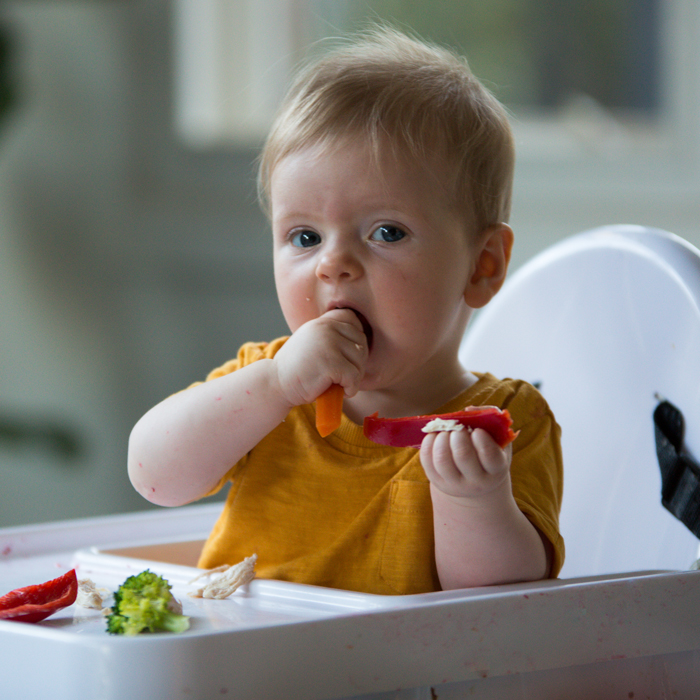
Baby-led feeding is when you give your baby the opportunity to feed themselves soft, safe foods instead of spoon-feeding them purees. It helps your baby explore food with their hands, eyes, mouth, and nose. This feeding method helps create more adventurous eaters from an early age.
Let your baby explore food and learn to feed themselves!
Why Try Baby-Led Feeding?
- Helps your baby learn when they’re hungry or full.
- Builds confidence and independence.
- Encourages healthy eating habits.
- Promotes chewing, hand-eye coordination, and motor skills.
- Baby eats with the family – no separate meals!
Is My Baby Ready?
Most babies are ready to start solids when they are
around 6 months old and:
- Can sit up with little or no help.
- Have good head control.
- Show interest in food.
- No longer push food out with tongue.
- Reach for toys or food.
Babies born early may need extra time. Talk to your doctor.
If your baby is sick, teething, or upset, wait before starting solids.
Introducing solid foods to your baby does not mean you need to stop breastfeeding or bottle feeding. Your baby will not be taking in large amounts of food. Breastmilk and/or formula remain the main source of nutrition for the first year of life.
How To Get Started
Create a safe mealtime:
- Wash your and your baby’s hands before eating.
- Have your baby sit upright in a highchair with their feet flat and knees bent.
- Stay with your baby during meals.
- Let your baby eat with you — they learn by watching!
- No bouncers, car seats, or strollers for feeding.
- No toys, screens, or other distractions.
What Foods Should I Offer First?
- Start with soft foods you can mash between your fingers.
- Offer foods as strips or wedges your baby can hold and gnaw, about the size of two adult fingers.
Start with just 1 new food at a time to watch for allergies.
Offer 3–4 foods per meal, but only 1 piece of each food at a time to avoid overwhelming your baby.
Good First Foods:
| PROTEIN |
Cooked Chicken
|
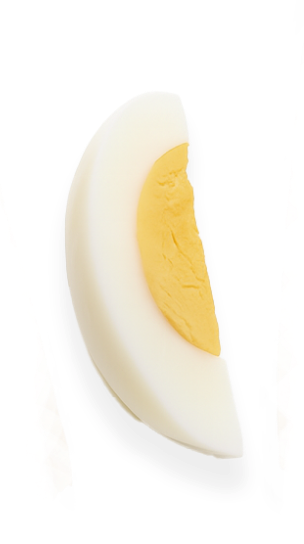
Hard-Boiled Egg
|
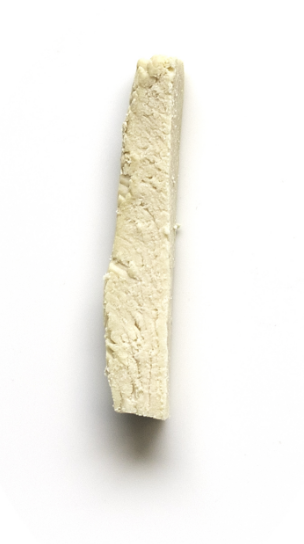
Tofu
|
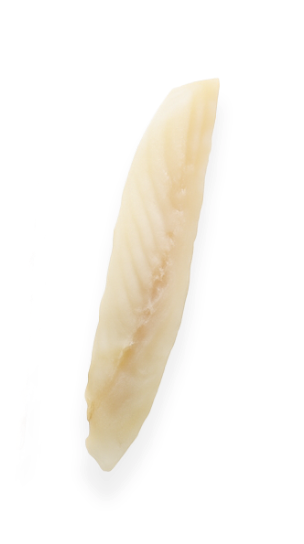
Cooked Fish
|
| WHOLE GRAINS |
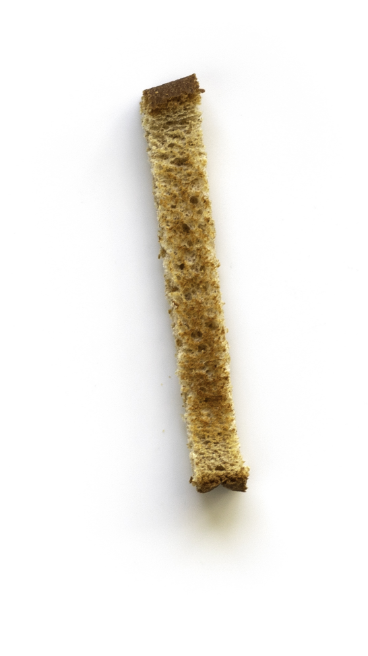
Toast Strips
|
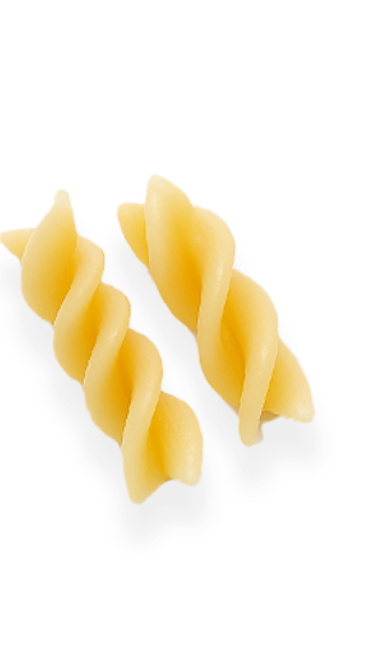
Cooked Pasta
|
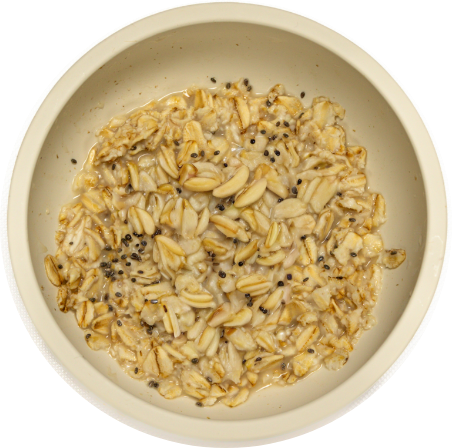
Baby Oatmeal
|
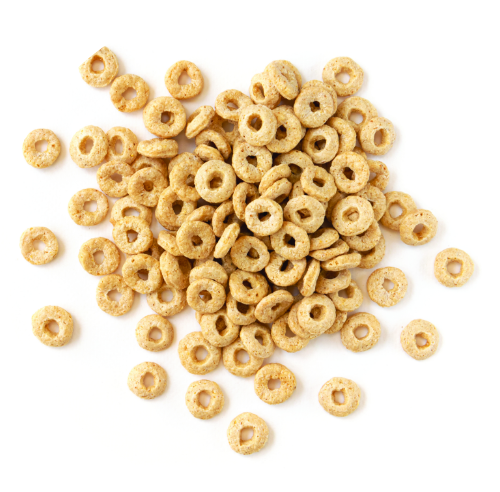
Cereal
|
| FRUITS |
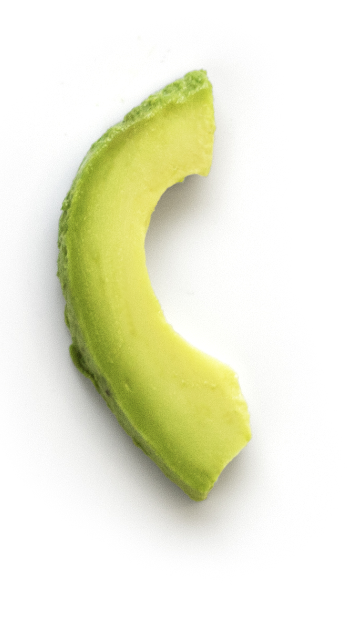
Avocado Slices
|
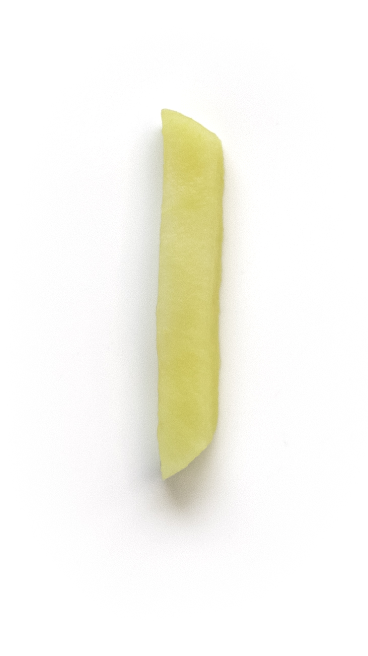
Cooked Apple Slices
|
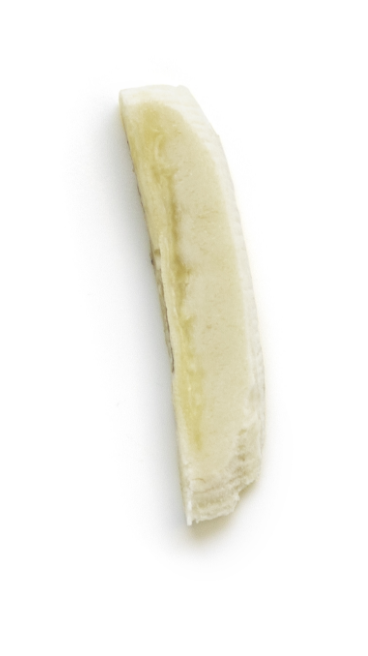
Banana Slice
|
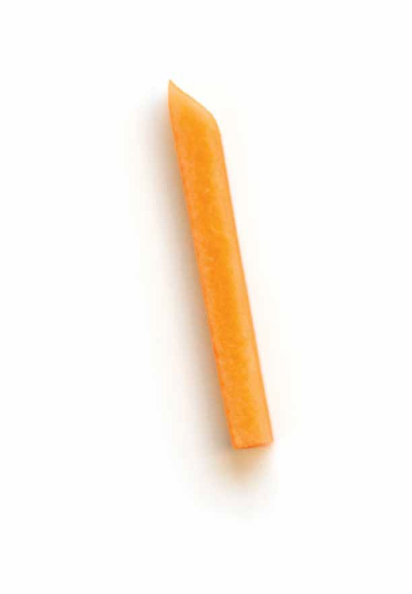
Melon Slices
|
| VEGETABLES |

Cooked Carrot Slices
|
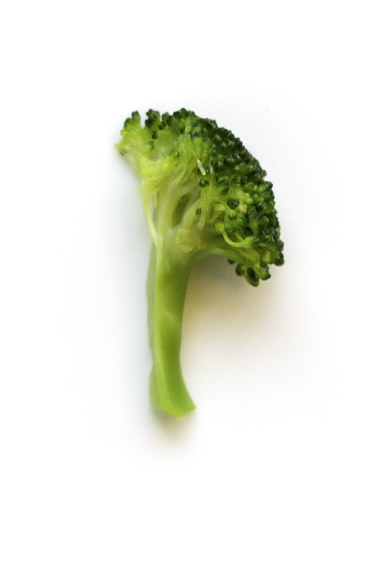
Cooked Broccoli Stem
|
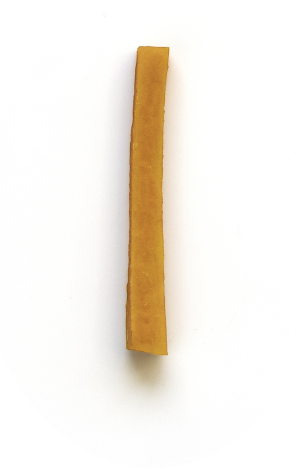
Cooked Sweet Potato Stick
|
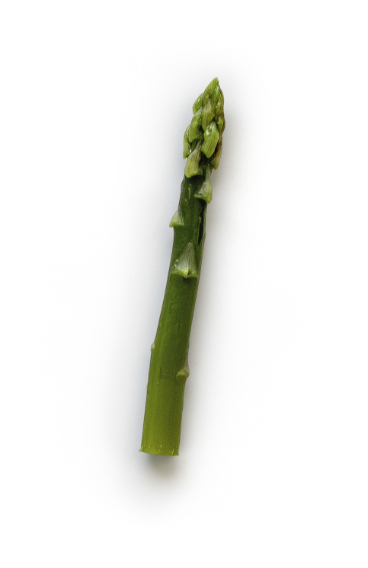
Cooked Asparagus
|
| DAIRY |
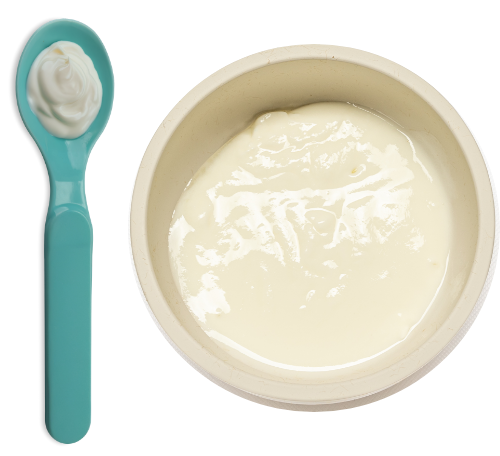
Yogurt
|
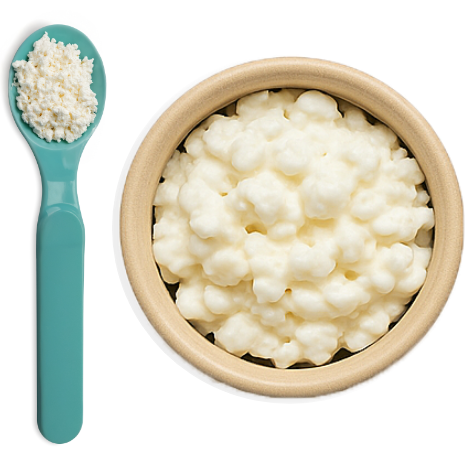
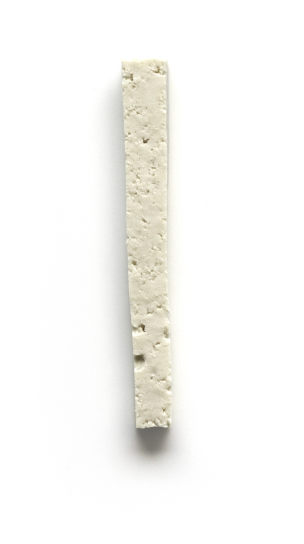
Cottage Cheese
|
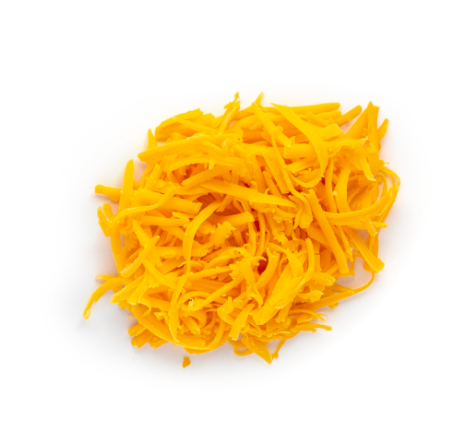
Shredded Cheese
|
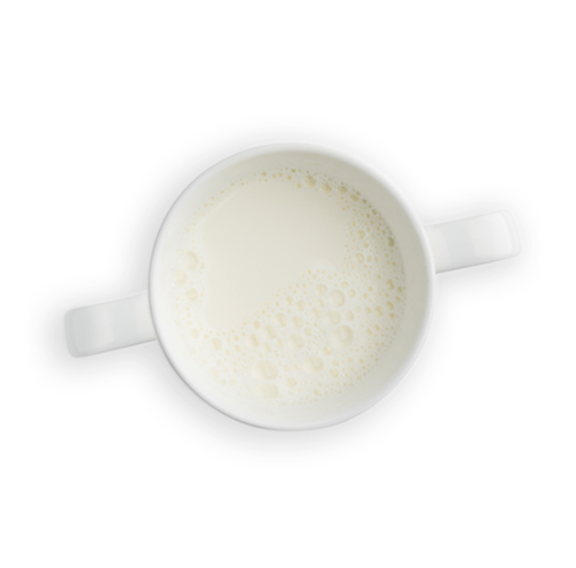
Breastmilk
|
Avoid These Foods:
- Choking hazards: raw carrots, apples, whole nuts, whole grapes
- Honey (can cause botulism in babies under 1 year)
- Crispy, crunchy, or sticky foods (like raw carrots, chips, candy, or nuts)
- Foods high in salt or sugar (use herbs instead!)
Watch for Gagging vs. Choking
Gagging:
- Normal part of learning.
- Baby can make sounds, face may turn red.
- Let your baby work it out. Don’t jump in unless needed.
Choking:
- Baby can’t make sound or breathe.
- Face turns blue.
- Call 911. Learn baby CPR to be prepared.
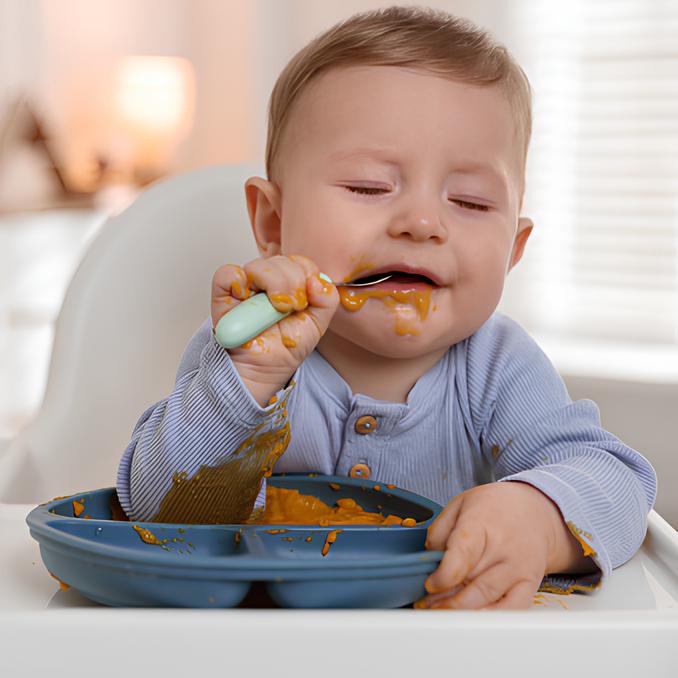
What About Purees or Spoon-Fed Foods?
These are okay too!
Preload a spoon and hand it to your baby.
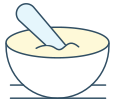
Use thick purees that cling to the spoon such as yogurt, oatmeal, and applesauce.
Your baby will learn to use a spoon with time (usually around 9–18 months).
Tips for Success
- 1Offer solids when your baby is happy—not too tired or hungry.
- 2Don’t rush or “help” your baby eat.
- 3Offer 3–4 foods per meal, including 1 iron-rich food (like red meat, chicken, fish, beans, or iron-fortified cereal).
- 4Expect messes—use a mat under the highchair.
- 5Keep trying the same foods even if your baby doesn’t eat them right away!
Allergenic Foods
Introduce these common allergens early
(one at a time):
Peanuts
Mix smooth peanut butter into oatmeal or yogurt

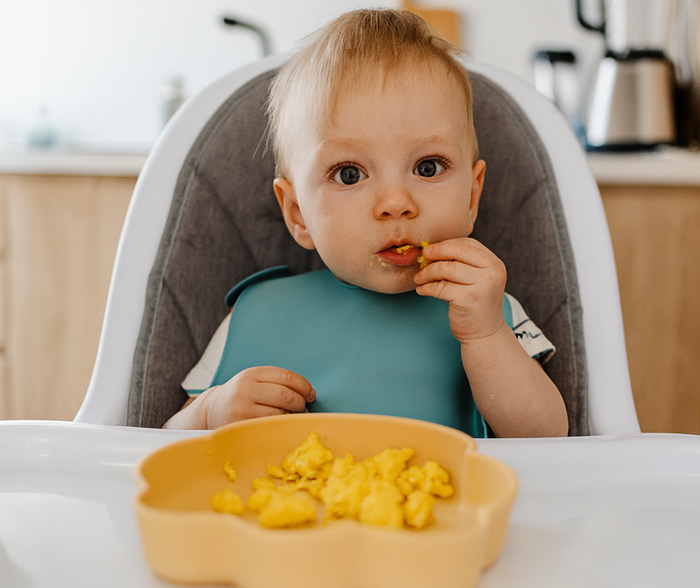
Eggs
Scrambled or cooked into strips
Milk
Yogurt, cheese, or cottage cheese
Wheat
Toast strips or mini pancakes
Shellfish
Finely chopped into patties or mixed into soft foods like eggs or mashed potatoes
Soy
Tofu strips

Fish
Soft, flaky pieces
- Wait 3–5 days before offering a new allergenic food.
- Keep offering known-safe foods during that time.
- Repeat allergen exposures often to build tolerance.