breastpumping_mother-banner

Make a Plan to Pump

November 12, 2025 Women

Make  Plan to Pump Make a Plan to Pump

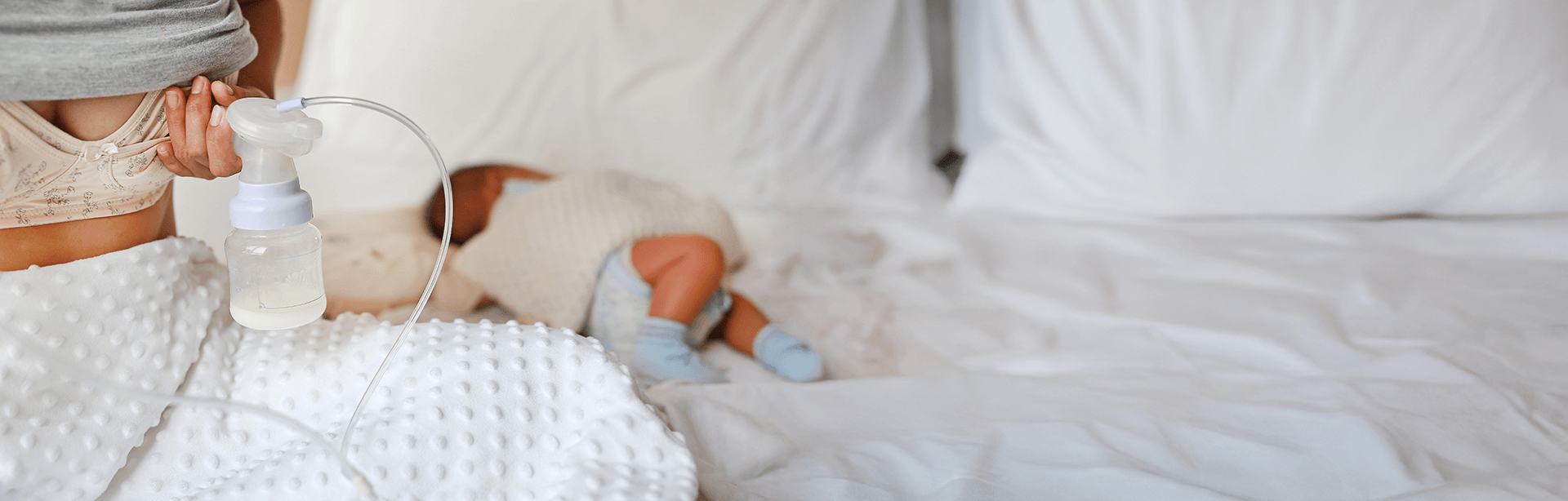
Even if you plan to breastfeed directly most of the time, and your baby latches and feeds well at the breast, it’s still a good idea to have a pumping plan. Pumping lets you collect milk so your baby can eat when you are away or when you want extra milk stored.

Her Big Win Get Ready to Pump
dual-electric_breastpump
practice-baby-new

Start practicing at least 2 weeks before you will be away from your baby.

practice-baby-2

Pumping takes practice. At first, you may only get a small amount. That’s normal. Most moms make about ½ to 1 ounce of milk per hour.

practice-baby-3

When you are away, pump as often as your baby would eat – about every 3–4 hours – to keep up your milk supply.

practice-baby-4

Talk to your boss or school about a private space for pumping. By law, your employer must give you break time and a private space that is not a bathroom.

Tips for Pumping!

Use your own pump. Don’t share single-user pumps. Ask WIC if you need help getting one.

Your nipple should move smoothly in the flange (the funnel part of the pump) without pain.

If pumping hurts, ask a WIC counselor to check your flange size.

Ask WIC or a lactation consultant to show you how to use your pump.

A little nipple cream or lanolin can make pumping more comfortable.

Start with low suction. Turn it up slowly if you need more.

Try listening to music, looking at a picture of your baby, or watching something relaxing to help you feel calm as you pump.ss

Tips for Pumping!

Try listening to music, looking at a picture of your baby, or watching something relaxing to help you feel calm as you pump.

Types of Pumps
manual_hand_breastpump

Manual Hand Pumps

Key Features:

PassivePump

Manual or Passive Collection Tools

Image source: onewillow.com

Key Features:

battery_operated_breastpump

Battery-operated Pumps

Key Features:

single_electric_breastpump

Single Electric Pump

Key Features:

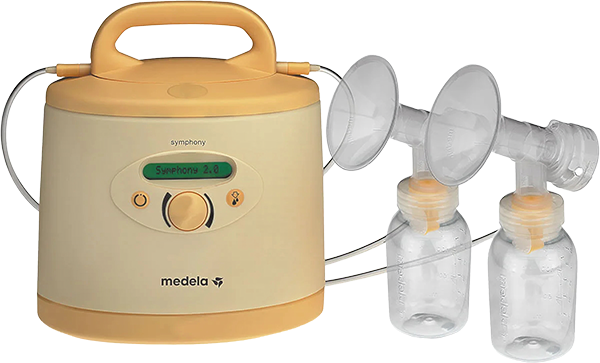
Hospital-grade-Double-Electri- Pumps

Hospital-grade Double Electric Pumps

Image source: medela.com

Key Features:

Personal-Use-Double-Electric-Pumps

Personal-use Double Electric Pumps

Image source: medela.com

Key Features:

Hands-free-Wearable-Pumps

Hands-free, Wearable Pumps

Image source: medela.com

Key Features:

Pump-Parts-cleaningKeeping Pump Parts Clean

The American Academy of Pediatrics (AAP) and the Centers for Disease Control and Prevention (CDC) recommend washing your breast pump parts after every use. To clean your breast pump:

breastpump-parts-pieces

Take the pieces apart.

breastpump_dishwasher-parts

Rinse off any milk and wash with hot, soapy water (or use the dishwasher if the parts allow).

breastpump_air-dry

Let everything air-dry before using again.

Is the “Fridge Hack” Safe?

fridge-hack

Some parents talk about a “fridge hack,” where pump parts are stored in the refrigerator between pumping sessions instead of washing them right away. The CDC says if you cannot clean right after pumping, you may rinse the parts, seal them in a clean container or bag, and place them in the fridge for a few hours. But this is only a short-term option. Germs can still grow in cold temperatures so pump parts should be fully washed and sanitized at the end of each day to prevent bacterial growth. If you choose to use the fridge hack, do not store pump parts for more than 8 to 12 hours between full washes.

clean-hand

For the safest milk for your baby, wash pump parts after every use. This is especially important if your baby is under 2 months old, was born early, or has health problems. If possible, keep extra sets of parts on hand so you always have a clean set ready.

mother_smiling_baby_infant

Having a pumping plan gives you peace of mind. Whether you use a hand pump, electric pump, or suction tool, the right pump and good cleaning habits will help you keep your baby fed and healthy. And remember – WIC is here to support you every step of the way!

REFERENCES: