Finding Calm When Life Gets Busy

Finding Calm When Life Gets Busy: Stress-Management for Parents

February 11, 2026 General /FamilyRecipes

 Calm Finding Calm When Life Gets Busy

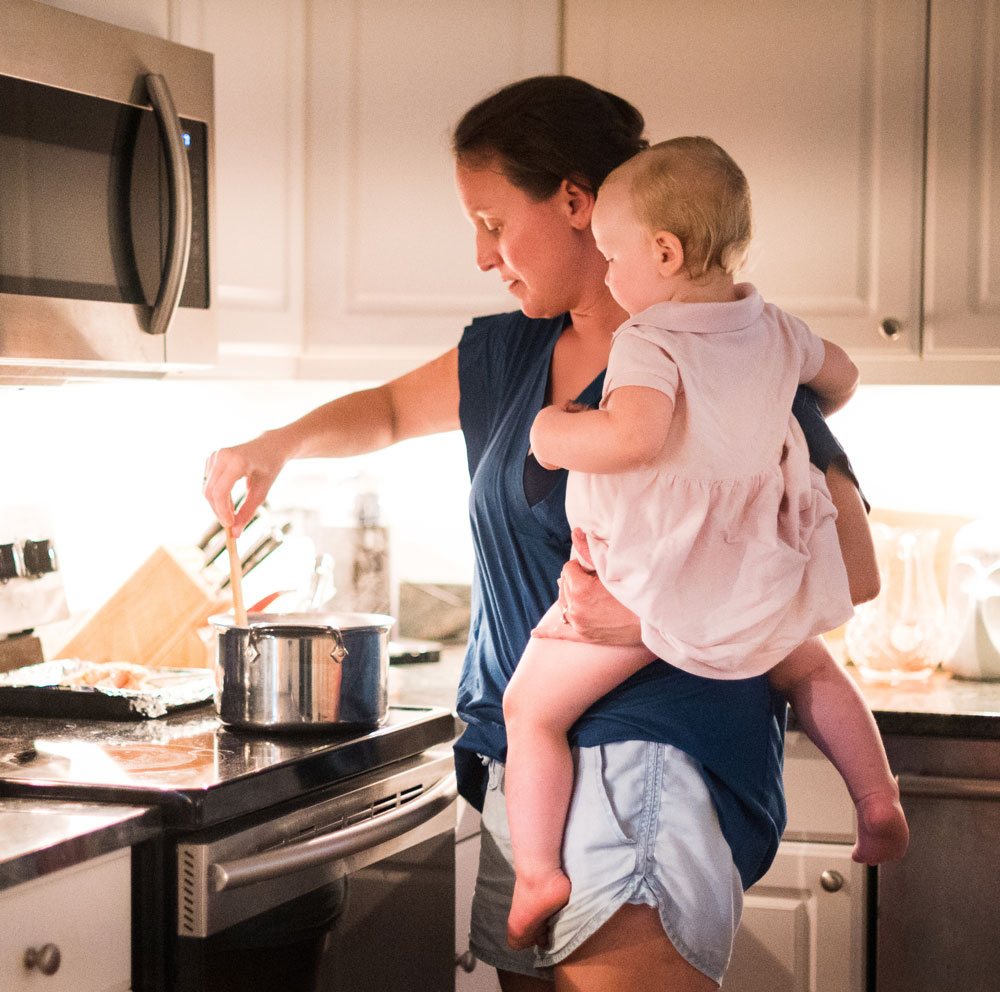
Parenting is full of love, joy, and often times, stress. Between caring for little ones, managing meals, grocery shopping, budgets, jobs, and everything else, it’s normal to feel overwhelmed.

The good news: small, simple steps can help you manage stress and care for yourself – which helps you better care for your children too.

Hands-heart
Stress Matter lady baby
Stress Matters Why Stress Matters

Stress is how your body responds when you feel pressured or stretched too thin. Too much stress, especially day after day, can affect your energy, focus, sleep, and even physical health. When you notice feelings like being tired, cranky, worried, or having trouble sleeping, those can be signs of too much stress in your life.

Luckily, there are easy ways to manage stress, and many don’t cost anything or take much time.
mind Simple Ways to Calm Your Mind and Body

DEEP BREATHING & SHORT PAUSE

Taking a few slow, deep breaths – especially when you first notice stress – can help calm your body. Try this:

Inhale through your nose for 4 seconds, hold that breath in your lungs for 5 seconds, then exhale out through your mouth for 6 seconds. Repeat.

Doing this even for a minute or two while cooking, waiting in line, or during a break can help. Experts call this mindfulness or breath awareness. It’s also referred to as “belly breathing”.

Here’s a simple guided video to watch and try when you just need a quick “reset.”
Hold-baby-feeding

STRETCHING, YOGA, OR GENTLE MOVEMENT

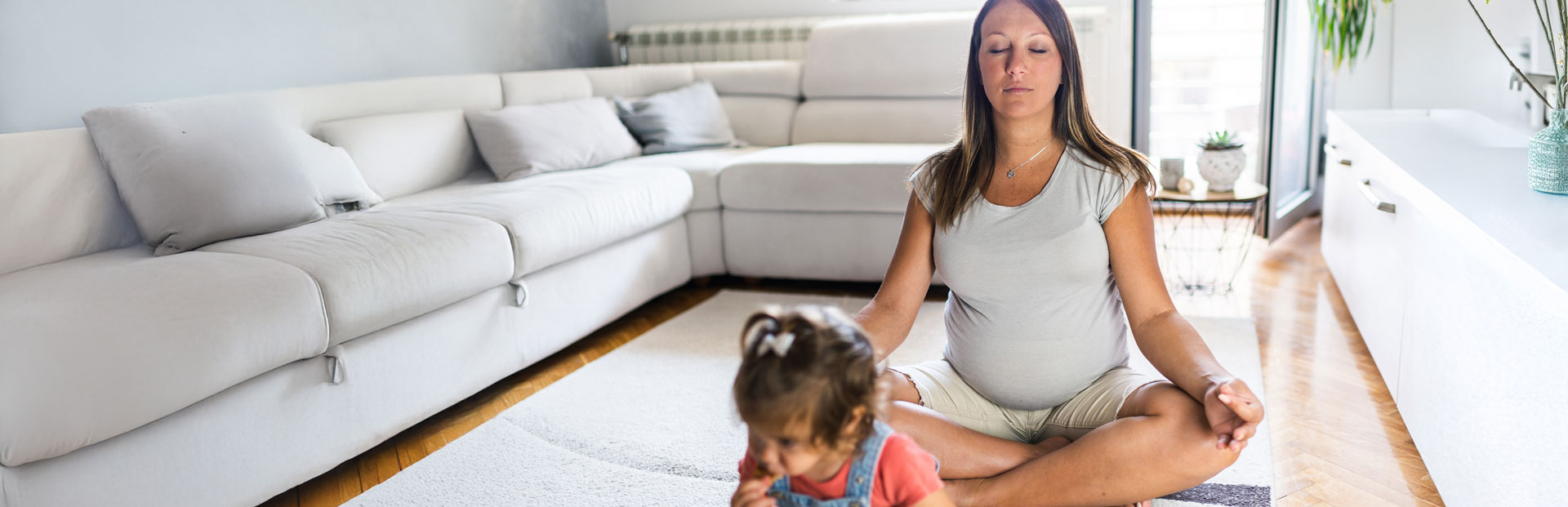
Moving your body can help release muscle tension and calm your mind. And we’re not talking about running marathons here. Even gentle stretches or beginner-level yoga can do wonders for your body and mind.

Yoga doesn’t have to be hard: simple poses, slow breathing, and short sessions (10–15 minutes) can help you relax.

Consider having your child join you! Little ones often enjoy stretching or “pretend yoga”. Including your child is a simple way to model self-care and calm for them too.

Here’s a helpful yoga video you can watch along with your kids:
baby-sitting-flower

PAUSE, PLAN, AND DO WHAT YOU CAN

Parenting brings lots of tasks, which can feel overwhelming when everything piles up. To help lessen the load on your mental wellbeing:

Plan or think ahead for busy times (like messy mornings or bedtime). Even small changes like picking out outfits the night before or prepping meals ahead of time can help reduce stress.

At the end of the day, try making a “done list” – a list of things you were able to accomplish that day. Even small things count: made lunch, bathed the baby, took a shower, took 5 deep breaths, read a book with your child. This can help you notice how much you actually do get done and feel good about it. Spoiler alert: you do a lot!

TAKE BREAKS AND DO SOMETHING YOU ENJOY

Self-care isn’t selfish, it’s necessary. Doing simple things just for you, even if it’s a few minutes, can reset your mood and energy, like:

You don’t need to “do it all” to feel better. Just choose 1–2 things that feel good, and build from there. Small steps can lead to big results, especially when you care for yourself as much as you care for your family.

building Building a Stress-Smart Routine
Here’s a simple example of how you could build stress-management into a busy parenting day:

Time / Situation

What You Can Do

Take 2 deep breaths before starting the day; remind yourself “I’m doing my best.”

Pause and take a few belly breaths, loosen shoulders or stretch arms/neck.
Take 10 minutes for gentle stretching or brief yoga, or just closing your eyes and breathing.
Write 3 small “done” things from the day (even if it’s “I made breakfast,” “I snuggled with my child,” “I took a few deep breaths”).
Schedule at least one activity you enjoy – walk, talk to a friend, listen to music, or do a quick relaxation video.
Things work Why These Things Work and Why it Matters

Relaxation techniques like deep breathing, stretching, yoga, and mindfulness help your body calm down. That can lower heart rate, ease muscle tension, improve sleep, and support mood and focus.

Small, regular practices, even a few minutes a day, add up. Over time, they help your body and mind respond better to stress, instead of feeling overwhelmed.

When parents take care of themselves, it models positive self-care for their children and helps parents stay more present, patient, and calm during parenting challenges.

Stress Feels If Stress Feels Too Big, You’re Not Alone.

Sometimes stress can feel too much to handle on your own, especially when you’re juggling many responsibilities.

It’s okay to reach out for help or support. You might:

Seeking help doesn’t mean you’ve failed. It means you care enough about yourself and your family to get support – and that’s a sign of strength.

Stress Feels Too Big
clinic More Trusted Resources & Where to Learn More
Here’s a simple example of how you could build stress-management into a busy parenting day:
Managing Stress: offers information on healthy ways to cope with stress.
How to Reduce Stress: shares helpful tips on self-care, breathing, time for yourself, and managing parenting stress.
Relaxation Techniques: provides an overview of many stress-relief methods like deep breathing, progressive muscle relaxation, mindfulness, yoga, and more.
Self-Care Strategies for Parents & Caregivers: tips for parents on using mindfulness, planning, and small steps to care for themselves.

Parenting is a big job. Taking care of yourself isn’t extra, it’s essential. Even small moments of calm, deep breaths, and movement can make a big difference for your and your family’s well-being.

REFERENCES: